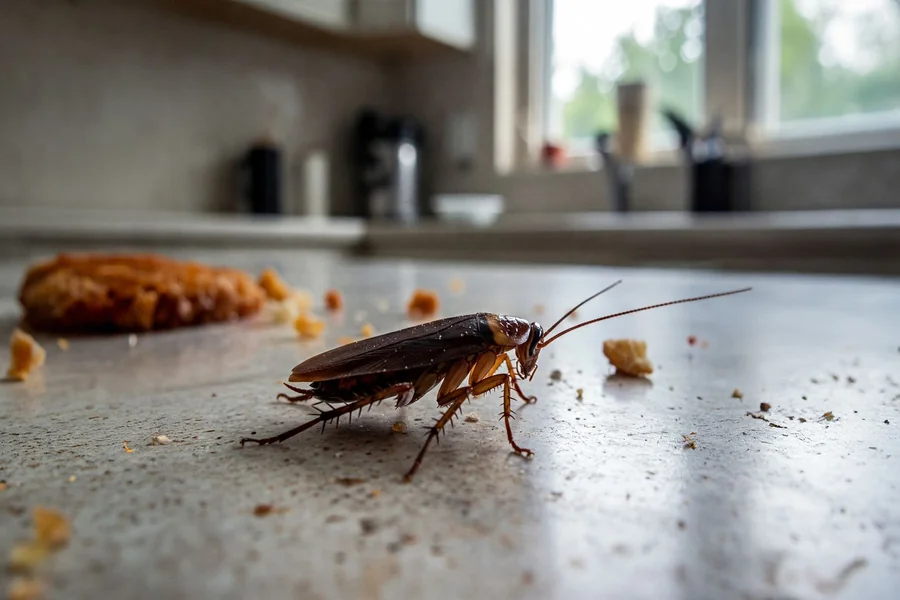
Cockroach infestations are a common concern for homeowners, especially in multi-room homes where the distribution of these pests can be unpredictable. While some rooms may seem untouched, others can become hotspots for cockroach activity, leaving residents puzzled about the underlying causes. Understanding why cockroaches favor certain areas over others is crucial for effective management and prevention. Factors such as food availability, moisture, temperature, and structural differences all play a role in shaping cockroach behavior. By examining these elements, homeowners can gain insight into the patterns of infestation and take targeted steps to reduce cockroach presence throughout their living spaces.
What causes uneven cockroach activity?
The role of food and water sources
One of the primary reasons cockroach activity varies from room to room is the availability of food and water. Cockroaches are opportunistic feeders, drawn to areas where crumbs, spills, and accessible food are present. Kitchens and pantries often become the epicenter of infestations because they provide a steady supply of nourishment. Even small amounts of food residue, such as grease behind appliances or crumbs under cabinets, can attract cockroaches. Bathrooms and laundry rooms may also see increased activity due to the presence of water from leaky pipes, damp towels, or condensation. In contrast, rooms that are kept clean and dry, such as bedrooms or living rooms, may experience fewer cockroach sightings. The uneven distribution of food and water sources throughout a home directly influences where cockroaches choose to congregate, making some rooms more susceptible to infestations than others.
Structural differences and hidden entry points
The physical layout and construction of a home can significantly impact cockroach movement and activity levels. Older homes or those with poor maintenance may have cracks, gaps, or holes in walls, floors, and foundations that serve as entry points for cockroaches. These pests are adept at squeezing through tiny openings, allowing them to travel between rooms and establish nests in hidden locations. Utility lines, plumbing, and electrical conduits often create pathways that connect different areas of a house, facilitating the spread of cockroaches. Additionally, cluttered spaces with piles of boxes, papers, or unused items provide ideal hiding spots and breeding grounds. In multi-room homes, rooms with more structural vulnerabilities or clutter are likely to experience higher cockroach activity. For those seeking cockroach control Chicago, addressing these structural issues is a critical step in minimizing infestations and preventing the spread of pests throughout the home.
Environmental factors and room usage
Temperature, humidity, and how each room is used also contribute to the uneven distribution of cockroaches in multi-room homes. Cockroaches thrive in warm, humid environments, which is why basements, bathrooms, and kitchens are often more heavily infested. Rooms that are rarely used or cleaned, such as storage areas or guest rooms, can become safe havens for cockroaches to breed undisturbed. On the other hand, frequently occupied and well-maintained rooms tend to have lower activity levels because regular cleaning disrupts cockroach habitats and removes food sources. Seasonal changes can further influence cockroach behavior, with infestations often peaking during warmer months when conditions are ideal for reproduction. The combination of environmental factors and human activity patterns creates a dynamic landscape within a home, leading to fluctuating cockroach populations from room to room.
How cockroaches spread within homes
Cockroaches are highly mobile pests capable of moving quickly between rooms in search of food, water, and shelter. They often travel along walls, under doors, and through vents or utility lines, making it difficult to contain infestations to a single area. Once a suitable nesting site is found, cockroaches can multiply rapidly, with females laying dozens of eggs at a time. As populations grow, overcrowding may force some individuals to migrate to adjacent rooms, further spreading the infestation. The presence of multiple entry points and interconnected spaces in multi-room homes accelerates this process. Effective management requires not only treating visible infestations but also identifying and sealing potential pathways to prevent cockroaches from relocating within the home. Regular inspections and prompt action are essential to limit their spread and reduce the risk of recurring problems.
The impact of cleaning habits
Cleaning routines play a pivotal role in determining where cockroaches are most active. Homes where food is left out, trash is not regularly removed, or spills are not promptly cleaned up are more likely to attract cockroaches. Even small lapses in cleanliness can provide enough sustenance for a growing population. Rooms that are cleaned thoroughly and frequently tend to have fewer cockroach sightings, as regular maintenance removes both food sources and potential hiding spots. However, even in well-maintained homes, certain areas like behind appliances, under sinks, or inside cabinets can be overlooked, allowing cockroaches to persist. Consistent and comprehensive cleaning across all rooms is necessary to minimize the risk of uneven infestations and ensure that no area becomes a refuge for these persistent pests.
Quick look: Cockroach behavior in multi-room homes
Cockroaches are nocturnal and prefer to stay hidden during the day, emerging at night to forage for food and water. Their ability to adapt to different environments and exploit small cracks or crevices allows them to thrive in multi-room homes. The presence of clutter, moisture, and warmth in specific rooms creates ideal conditions for cockroach populations to flourish unevenly throughout a house.
Preventing uneven infestations
Preventing uneven cockroach activity in multi-room homes requires a proactive and comprehensive approach. Sealing cracks and gaps in walls, floors, and around utility lines can limit entry points and restrict movement between rooms. Addressing moisture issues by fixing leaks and using dehumidifiers helps make environments less hospitable to cockroaches. Storing food in airtight containers, cleaning up spills immediately, and removing trash regularly are essential steps in reducing attractants. Regularly inspecting less frequently used rooms and maintaining consistent cleaning habits throughout the home can help detect early signs of infestation and prevent cockroaches from establishing hidden nests. By addressing both environmental and structural factors, homeowners can create a less inviting environment for cockroaches and reduce the likelihood of uneven activity levels across different rooms.
Conclusion
Uneven cockroach activity in multi-room homes is the result of a complex interplay between food and water availability, structural vulnerabilities, environmental conditions, and human habits. Certain rooms naturally provide more resources and hiding places, making them more attractive to cockroaches, while others remain relatively untouched. Understanding these patterns is essential for effective prevention and management. By addressing the specific factors that contribute to infestations in each area of the home, residents can take targeted actions to minimize cockroach presence and maintain a healthier living environment. Consistent cleaning, prompt repairs, and vigilance are key to ensuring that no room becomes a safe haven for these persistent pests.