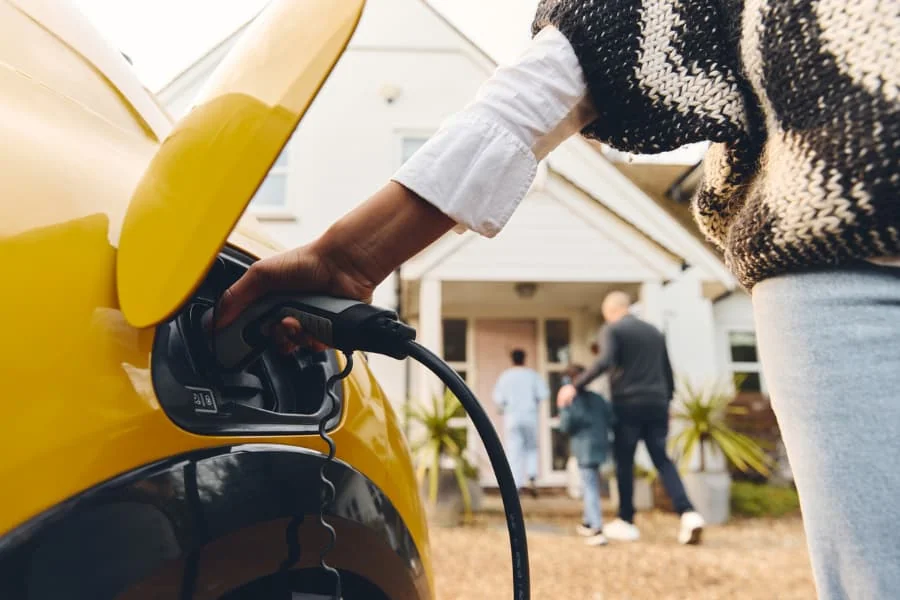
As electric vehicles (EVs) become more popular worldwide, more homeowners are investing in EV charger installation to enjoy the convenience of charging at home. While installing a home charging station is a smart move for long-term savings and convenience, it also comes with important safety considerations that should never be overlooked.
Improper installation can lead to electrical hazards, inefficient charging, or even fire risks. In this guide, we’ll walk you through essential safety tips every homeowner should know before and after an EV charger installation, helping you make informed and secure decisions.
Why EV Charger Installation Safety Matters
A home EV charger typically operates at a much higher electrical load than standard household appliances. Depending on the charger level, it can draw anywhere from 3.7 kW (Level 2 chargers) to over 19 kW in advanced systems.
Without proper installation, this increased demand can overload your home’s electrical system. According to industry safety reports, a significant portion of residential electrical issues related to EV charging stems from poor wiring, incorrect breaker sizing, or unlicensed installation work.
Ensuring safety isn’t just about protecting your vehicle—it’s about protecting your entire home.
Hire a Certified Electrician for EV Charger Installation
One of the most important safety steps is to always hire a licensed and experienced electrician.
Why Professional Installation is Critical:
- Ensures compliance with local electrical codes
- Prevents circuit overloads and fire risks
- Guarantees proper grounding and wiring setup
- Helps determine if your home electrical panel can handle the load
A professional will also assess whether your home requires a panel upgrade, which is common in houses built more than 15–20 years ago.
Skipping professional help may save money upfront, but it significantly increases long-term risks.
Check Your Home Electrical Capacity
Before proceeding with EV charger installation, your home’s electrical system must be evaluated.
Most Level 2 EV chargers require a dedicated 240-volt circuit. Older homes may only support 100–150 amp panels, while modern EV setups often require 200 amps or more.
Key things to check:
- Main electrical panel capacity
- Availability of spare breaker slots
- Condition of existing wiring
- Load distribution across appliances
If your panel is already near capacity, upgrading it is not optional—it’s necessary for safety and efficiency.
Install a Dedicated Circuit for Your EV Charger
A dedicated circuit ensures that your EV charger operates independently from other appliances. This reduces the risk of overheating and electrical tripping.
Benefits of a dedicated circuit:
- Prevents overload from shared usage
- Improves charging stability
- Reduces wear on household wiring
- Enhances fire safety
Never plug an EV charger into a standard household outlet unless it is specifically designed for Level 1 charging and approved by an electrician.
Use Certified Charging Equipment Only
Not all EV chargers are created equal. Always choose equipment that is safety-certified by recognized standards such as UL (Underwriters Laboratories) or IEC certifications.
Low-quality or uncertified chargers may:
- Overheat during long charging sessions
- Lack proper surge protection
- Fail under voltage fluctuations
- Void insurance coverage in case of damage
Investing in a high-quality charger ensures long-term safety and reliability.
Ensure Proper Grounding and Surge Protection
Electrical grounding is essential for preventing shocks and protecting your EV battery system.
During EV charger installation, your electrician should:
- Install proper grounding rods if needed
- Add surge protection devices
- Ensure correct bonding with your home’s electrical system
Surge protection is especially important in areas prone to lightning or unstable power grids. A single power surge can damage both the charger and your vehicle’s battery management system.
Install the Charger in a Safe Location
Where you install your EV charger matters just as much as how you install it.
Ideal installation locations:
- Indoor garages (preferred for weather protection)
- Covered carports
- Wall-mounted exterior setups with weatherproof enclosures
Avoid installing chargers in areas exposed to flooding, direct rain, or high humidity without proper waterproof ratings (such as IP65 or higher).
Proper ventilation is also important to prevent heat buildup during long charging sessions.
Regular Maintenance and Safety Checks
EV charger installation is not a one-time job—it requires periodic inspection.
Recommended maintenance steps:
- Inspect cables for wear or damage every 3–6 months
- Check for overheating signs around the plug and outlet
- Ensure mounting hardware remains secure
- Schedule annual electrical inspections
Routine maintenance can extend the lifespan of your charger by several years and reduce the risk of unexpected failures.
Avoid Common Installation Mistakes
Many homeowners unknowingly make mistakes that compromise safety. Some of the most common include:
- Using extension cords with EV chargers
- Ignoring electrical panel limitations
- Installing without permits or inspection
- Choosing the cheapest installer instead of a certified one
- Overloading shared circuits
Avoiding these mistakes significantly improves safety and performance.
Final Thoughts on Safe EV Charger Installation
A properly done EV charger installation not only improves convenience but also ensures your home remains safe and energy-efficient. As EV adoption continues to grow—expected to exceed 30% of global vehicle sales by the mid-2030s—safe charging infrastructure at home is becoming increasingly essential.
By hiring qualified professionals, using certified equipment, and following proper installation practices, homeowners can enjoy worry-free charging for years to come.