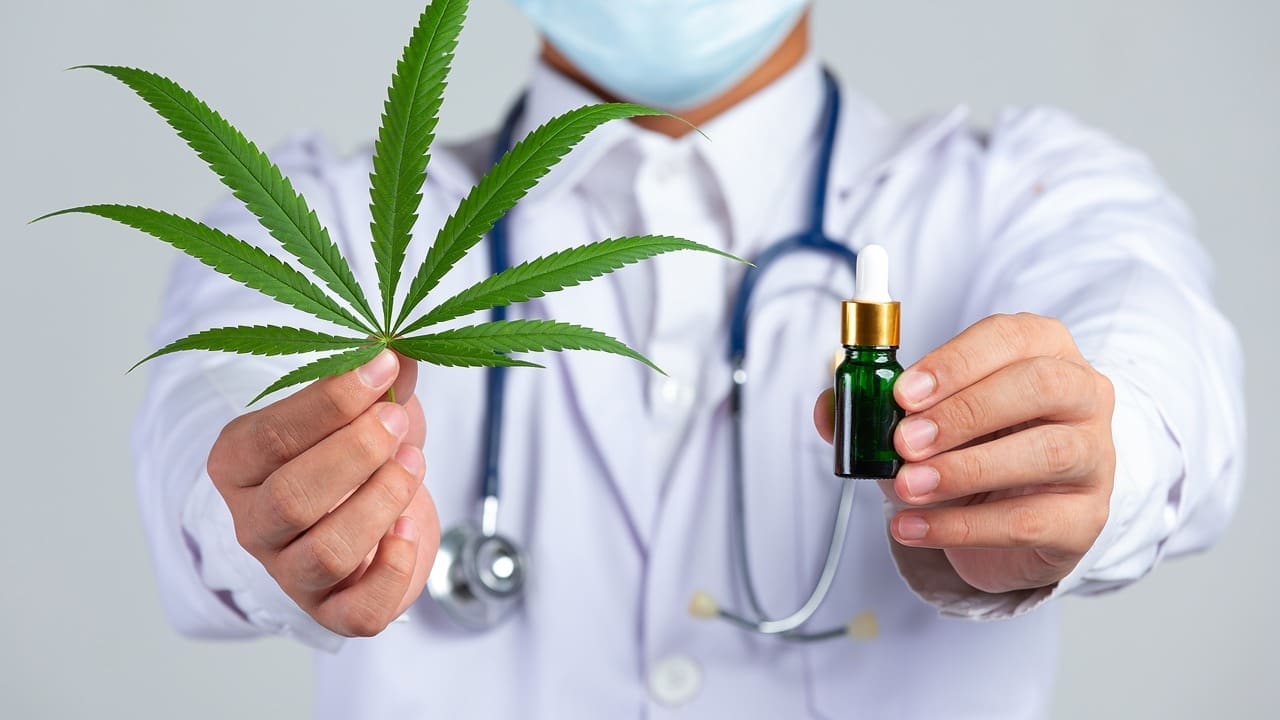
Chronic pain is one of the most significant health challenges globally, affecting every aspect of a person’s life from physical mobility to mental health. Unlike acute pain, which serves as a temporary warning signal for injury, chronic pain persists for months or even years, often becoming a debilitating condition in its own right. Traditional treatments, while sometimes effective, often rely on heavy medications that come with a long list of side effects and the risk of dependency. In recent years, medical marijuana has emerged as a compelling alternative for those seeking sustainable relief. By integrating cannabis into a broader pain management strategy, patients can often achieve a higher quality of life with fewer systemic complications than conventional pharmaceuticals provide.
The Role of the Endocannabinoid System in Pain Control
The effectiveness of cannabis in treating pain is rooted in its interaction with the human endocannabinoid system, a complex network of receptors found throughout the body. This system is responsible for maintaining internal balance and regulating various physiological processes, including how we perceive and respond to painful stimuli. When cannabinoids like THC and CBD are introduced, they bind to or influence these receptors, effectively modulating the pain signals sent to the brain. This can lead to a significant reduction in both the intensity of the pain and the underlying inflammation that often drives it. Understanding this biological connection is essential for patients looking to move beyond just masking their symptoms toward a more functional state of health.
Selecting the Right Cannabinoid Ratios for Relief
Not all cannabis products are created equal when it comes to managing persistent physical discomfort. For many patients, a combination of THC and CBD provides the most comprehensive relief, often referred to as the entourage effect. THC is highly effective at dulling the actual sensation of pain and improving the emotional response to it, while CBD is prized for its powerful anti-inflammatory properties and its ability to reduce the psychoactive intensity of THC. Patients often start with balanced ratios to find a level of relief that allows them to remain active and alert throughout the day. Experimenting with different formulations under professional guidance helps in identifying which specific chemical profiles address unique types of pain, such as nerve damage.
Navigating the Process for Legal Therapeutic Access
For residents in the Pacific Northwest who are ready to explore these therapeutic options, the first step involves moving through the proper regulatory channels. Accessing a regulated market is vital because it ensures that every product is tested for potency and purity, protecting the patient from unwanted contaminants or inconsistent dosing. If you are a resident dealing with a qualifying condition, learning how to get a medical marijuanas card in Washington is a critical part of the journey. This process begins with a consultation with a healthcare professional who can certify that your condition meets the state requirements. Once registered, patients gain access to specialized dispensaries and knowledgeable staff who can assist in selecting the most effective medicine for their specific needs.
Delivery Methods for Targeted and Systemic Relief
The way cannabis is consumed can significantly alter how pain is managed throughout the day and night. For localized discomfort like joint pain or muscle strains, topical creams and balms can provide targeted relief without any psychoactive effects. These products are applied directly to the skin, where they penetrate to interact with local receptors in the affected area. For systemic or deep-seated pain, tinctures and edibles are often preferred because they offer longer-lasting relief. Tinctures provide a middle ground with a relatively quick onset, while edibles provide a slow and steady release that can keep pain at bay for several hours. Choosing the right method allows patients to tailor their treatment to the specific rhythm and intensity of their daily pain.
Integrating Cannabis into a Holistic Wellness Plan
Moving toward a cannabis-based pain management plan represents a significant shift toward more personalized and patient-centered care. While it is not a universal cure, it provides a flexible and often safer tool for those who have found little success with traditional methods. The goal of using medical marijuana is not necessarily to eliminate every trace of discomfort, but to reduce it to a level where the individual can return to the activities they love. When combined with other holistic practices like physical therapy, gentle movement, and proper nutrition, cannabis becomes a powerful ally in the fight against chronic pain. As more research emerges, it continues to prove itself as a foundational element of modern, integrative medicine for patients worldwide.